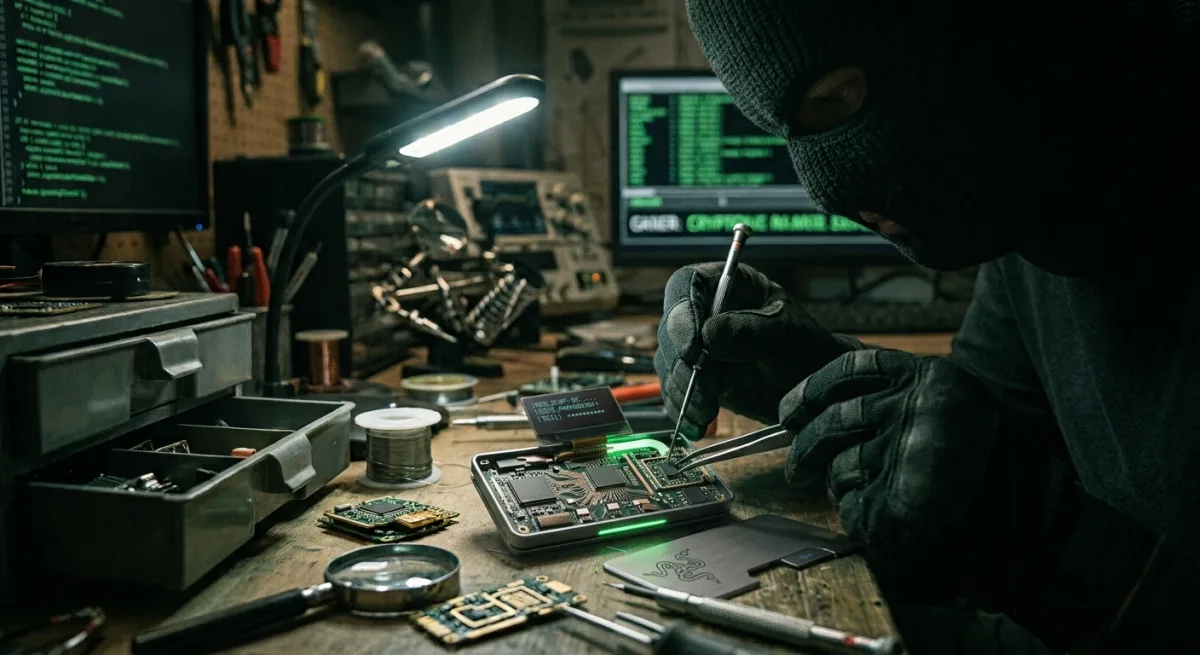
Hardware wallets are widely considered one of the safest ways to protect cryptocurrency from online attacks. By keeping private keys isolated from internet-connected devices, they reduce exposure to malware, phishing, and exchange breaches.
However, the October 2026 Ledger hardware-wallet supply-chain incident exposed a different vulnerability: even a genuine hardware wallet can be compromised before it reaches the buyer.
For Bitcoin, Ethereum, and other cryptocurrency holders, the incident raises important questions about where to buy a hardware wallet, how to recognize potential tampering, and whether self-custody is the best option for every investor. Together with the July 2026 Coldcard hack caused by weak seed generation triggering over $100 million in losses, many cryptocurrency investors have had to reassess the safety of hardware wallets.
What Happened in the Ledger Supply-Chain Attack?
In October 2026, Ledger investigated cryptocurrency thefts involving devices sold through CryptoBilis, a Malaysian reseller.
According to Ledger's investigation update, unauthorized hardware implants were discovered inside affected devices. The implants reportedly captured the 24-word recovery phrase displayed during setup and transmitted the information over LTE using an eSIM.
This created a serious vulnerability. A user could follow the normal setup process and generate a new recovery phrase, yet a physically compromised device could secretly capture that phrase. An attacker who obtained it could potentially access the associated cryptocurrency without possessing the original wallet.
Independent researchers estimated that losses exceeded $90 million, although Ledger had not confirmed the total number of victims or the amount stolen in the reporting available at the time.
The implant reportedly operated alongside the device's Secure Element and Ledger operating system. Ledger's integrity self-checks did not detect the separate hardware implant.
Ledger attributed the incident to physical tampering in the distribution chain and stated that its own infrastructure, systems, and direct-sales channel were unaffected. The precise route by which the devices were compromised remained under investigation.
The investigation also expanded beyond CryptoBilis. Ledger reviewed other reports involving potentially tampered devices and requested a precautionary sales halt across distributors in Southeast Asia and Hong Kong. Reports involving other sellers should not automatically be interpreted as confirmed thefts. BleepingComputer's report provides additional technical and distribution details.
The broader lesson is that a product's authenticity and the integrity of its supply chain are separate questions.
Why Buying Directly From the Manufacturer Can Reduce Risk
The most practical lesson is straightforward: buy directly from the manufacturer's official website whenever possible rather than introducing an unnecessary reseller into the purchasing process.
Independent resellers introduce additional inventory management, storage, handling, and returns processes. If a device is physically modified somewhere along that chain, the buyer may have little way to identify the problem before using it.
Buying directly avoids the independent reseller's processes and provides a more straightforward purchasing history. For Ledger customers, the official Ledger store is the natural starting point.
This does not mean every reseller is dishonest or every third-party device is unsafe. Authorized resellers can sell legitimate products, but authorization alone cannot guarantee that a particular device has never been tampered with.
Direct purchasing is not an absolute guarantee either. Manufacturers still depend on production facilities, warehouses, and shipping providers. The objective is to reduce avoidable exposure, not to assume any purchasing channel is infallible.
If direct purchasing is unavailable in your country, consult the manufacturer's buying guidance to identify authorized sellers and understand the precautions recommended for purchasing and setting up a device.
Seven Steps to Protect Your Cryptocurrency
1. Choose Your Purchasing Channel Carefully
Purchase hardware wallets through the manufacturer's official store whenever practical. Avoid unfamiliar marketplace sellers, auction listings, social media advertisements, and individuals offering unusually cheap devices.
If you must use a reseller, independently verify that the manufacturer recognizes the specific seller as authorized. Genuine-looking packaging, positive seller reviews, and a convincing product listing cannot prove that a device has never been tampered with.
2. Never Use a Pre-Generated Recovery Phrase
A hardware wallet should generate a fresh recovery phrase through its intended setup process. Never use a phrase printed on a card, included in the packaging, supplied by a seller, or sent by someone claiming to provide technical support.
Write the phrase down yourself and store it securely offline. Avoid photographs, email, cloud storage, and ordinary documents on internet-connected devices.
However, the Ledger incident highlights an important limitation: generating your own phrase does not make a physically compromised device safe. In this incident, the implant reportedly captured the phrase as the device displayed it during setup.
Your recovery phrase is effectively a master key. Anyone who obtains it may be able to access your assets, making both device integrity and phrase security essential.
3. Use Official Software and Verify the Device
Download the manufacturer's companion application through its official website or a legitimate app store. Follow the manufacturer's instructions for firmware verification and device-authenticity checks.
These checks remain useful for detecting certain counterfeit devices and unauthorized software. However, Ledger's integrity checks reportedly failed to detect the separate hardware implant described in this incident.
Passing an authenticity check therefore did not establish that an affected device was free from physical tampering. Verification is an important security layer, but it cannot replace careful purchasing decisions.
4. Treat Unexpected Setup Instructions as a Warning
Do not initialize a device that arrives with a recovery phrase already established or instructions to use a phrase supplied by the seller.
Be cautious if the packaging, device, or setup procedure differs from the manufacturer's official instructions. If anything seems suspicious, stop and contact the manufacturer through an independently verified support channel before transferring cryptocurrency.
Remember that normal-looking packaging cannot conclusively prove that a device is safe.
5. Verify Transactions on the Hardware Wallet
Before approving a transfer, check the recipient address and amount on the hardware wallet's own display.
Malware on a connected computer or phone can manipulate transaction information shown on that device. Checking the hardware wallet's display provides another opportunity to detect an altered transaction.
Reject any transaction whose destination, amount, network, or other important details do not match your intentions.
6. Separate Long-Term Holdings From Everyday Activity
Consider keeping long-term cryptocurrency holdings separate from funds used for trading, decentralized finance applications, and routine transactions.
A dedicated wallet for long-term storage can reduce exposure to risky applications and unnecessary transaction approvals.
For substantial portfolios, a properly configured multisignature wallet may provide additional protection by requiring multiple independent keys to authorize transactions. However, multisignature arrangements introduce setup and recovery complexity and must be configured carefully.
7. Act Promptly if Your Device May Be Affected
If you purchased a device covered by Ledger's affected-purchase guidance and have not initialized it, do not set it up. Contact Ledger through its official support channel and follow its instructions.
If you have already initialized a potentially affected device, follow the manufacturer's guidance promptly to move your assets to a new wallet generated on trusted hardware with a new recovery phrase.
Do not reuse a potentially exposed phrase. Replacing the physical device while retaining the same compromised recovery phrase does not eliminate the risk, because someone who knows that phrase may be able to access the funds independently.
Never disclose your recovery phrase to anyone claiming to be customer support or offering to recover stolen cryptocurrency.
Should You Consider a Cryptocurrency ETF Instead?
For investors who want exposure to Bitcoin or Ethereum but are uncomfortable managing hardware wallets and private keys, a cryptocurrency exchange-traded fund (ETF) may be an alternative worth considering.
A U.S. spot Bitcoin ETF allows investors to gain exposure to Bitcoin's price through a traditional brokerage account without personally buying and securing Bitcoin on the blockchain. Eligible spot Ethereum ETFs offer a similar investment route.
This approach shifts much of the operational burden of custody to the fund and its service providers. Investors do not need to initialize a hardware wallet, protect a recovery phrase, or worry about losing access because of a compromised personal device.
However, ETFs introduce different risks. Investors remain exposed to cryptocurrency price volatility, and fund expenses can reduce returns. Funds also depend on custodians and other service providers. An ETF is not equivalent to holding cryptocurrency directly: investors generally cannot use ETF shares to make blockchain transactions or interact with decentralized applications.
Tax treatment and account eligibility can also differ. Investors can consult the SEC's investor education resources and review a fund's prospectus before investing.
The practical choice depends on your objective. If you want to hold and use cryptocurrency directly, a properly secured hardware wallet may be appropriate. If your primary goal is investment exposure without managing private keys, an ETF may be simpler.
Some investors may choose both: an ETF for brokerage-based investment exposure and a separately secured wallet for cryptocurrency they want to hold and use directly.
Are Hardware Wallets Still Worth Using?
Yes. The incident does not establish that all Ledger devices are compromised or that hardware wallets should be abandoned. They remain valuable for reducing exposure to many online threats.
However, security depends on more than the technology inside the device. Purchasing channels, physical handling, initialization, recovery-phrase protection, and transaction verification all matter.
Buying directly from a manufacturer can reduce exposure to independent reseller-channel risks, but it cannot eliminate every supply-chain vulnerability. Similarly, authenticity checks and secure setup procedures are important safeguards, not guarantees.
Investors should also recognize that self-custody carries responsibilities. Losing a recovery phrase or allowing someone else to obtain it can have serious consequences, and there may be no central institution able to reverse an unauthorized blockchain transaction.
Final Thoughts
The October 2026 Ledger supply-chain incident is a warning against assuming that a genuine hardware wallet is automatically safe.
Buy directly from the manufacturer's official store whenever practical. If you must use a reseller, verify its authorization and understand that authenticity checks may not detect every form of physical tampering.
Generate your own recovery phrase, protect it offline, and verify transactions on the hardware wallet's display. If your device may be affected, follow the manufacturer's instructions promptly.
If you want cryptocurrency investment exposure without the responsibility of managing private keys, consider whether a spot cryptocurrency ETF better suits your needs.
The central principle is simple: reduce avoidable security risks and choose a custody method you can manage responsibly. Whether you use a hardware wallet, an ETF, or both, understand what protects your assets and what risks remain.